How to Stop Cockapoo Puppy Biting: Why Cockapoo Puppies Bite & Proven Solutions
Posted on 1st January 2026
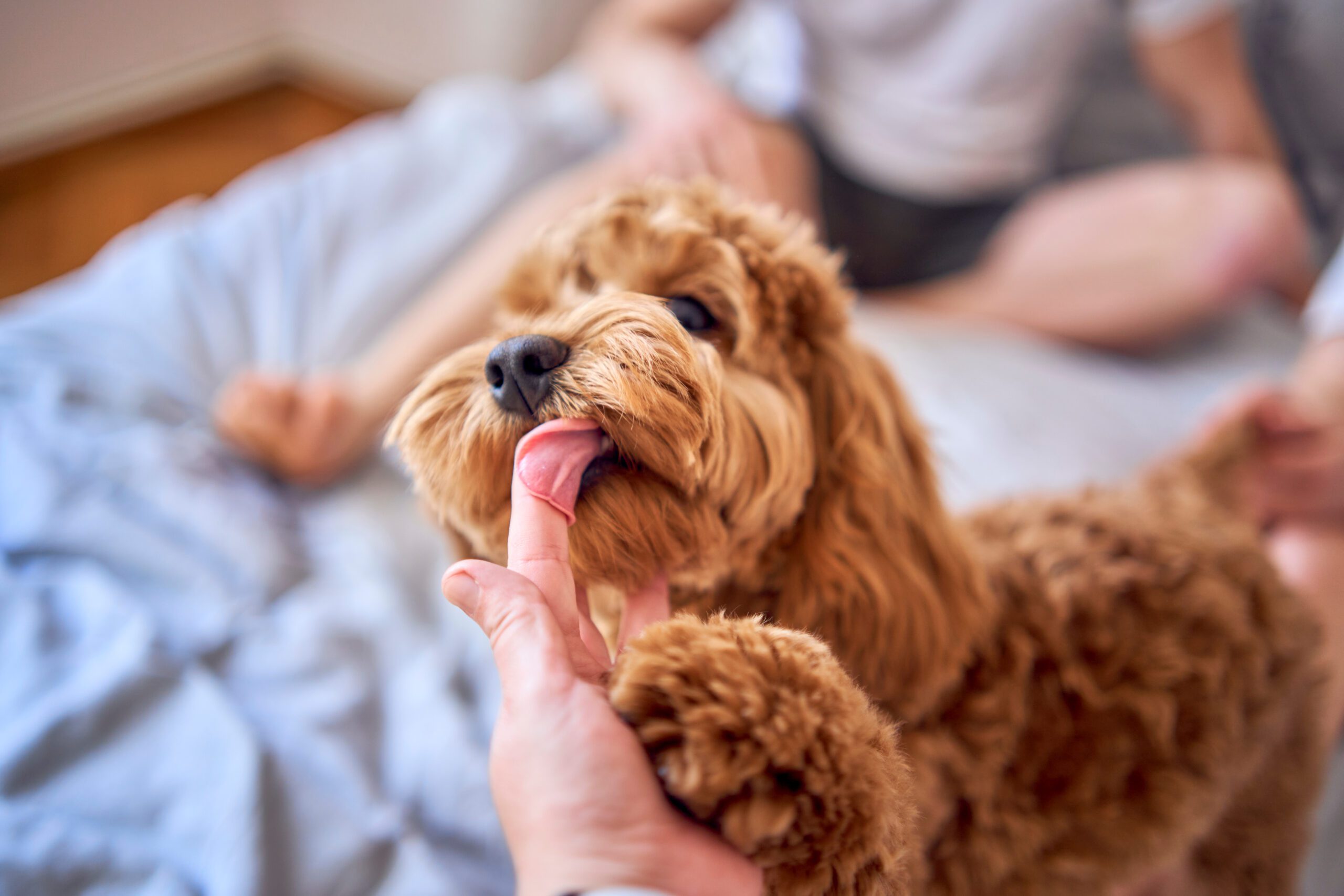
Is your Cockapoo puppy biting your hands, feet, or even your children? You’re not alone—“how to stop Cockapoo puppy biting” is one of the most searched questions for new Cockapoo owners. While biting is a normal part of Cockapoo puppy development, it can quickly become a problem if not managed early. In this guide, we’ll answer common questions like “why is my Cockapoo biting?”, “do Cockapoos bite more than other breeds?”, and share proven, science-based solutions to stop Cockapoo puppy biting fast.
Whether your Cockapoo is nipping during play, teething, or showing signs of aggression, you’ll find practical tips to create a calm, bite-free home and raise a well-mannered Cockapoo.
If puppy biting feels frustrating, it often connects to tiredness, routine gaps or emotional overwhelm. My Puppy Biting Webinar explains exactly why Cockapoos bite and offers practical solutions that work for this breed — not generic tips.
Is Cockapoo Puppy Biting Normal?
Yes — puppy biting is a normal part of development.
Puppies explore the world with their mouths, just like babies use their hands. Mouthing, grabbing, and biting are how they learn.
That said, normal doesn’t mean something you have to allow.
The goal isn’t punishment — it’s teaching better choices as your puppy grows.
And whilst most puppy biting is normal, there are occasions when it is a sign of more serious issues. If in doubt, please consult your vet or a trainer.
Why Do Cockapoos Bite More Than Some Breeds?
Breed genetics
Cockapoos are a mix of two retrieving breeds. Retrievers were bred to carry objects gently in their mouths, which makes Cockapoos naturally more mouth-oriented.
This means they’re more likely to:
-
Grab moving things
-
Use their mouths during play
-
Mouth hands, clothes, and feet
This isn’t bad behaviour — it’s instinct.
Social attraction
Cockapoos are also highly people-focused. Human movement, voices, hands, and attention are extremely rewarding, which means biting is often an attempt to engage, not to harm.
Many Cockapoos bite because they want connection, not because they’re being naughty.
The Main Causes of Cockapoo Puppy Biting
1. Overtiredness (the most common cause)
Most puppy biting is caused by lack of sleep.
Puppies need around 16–18 hours of sleep per day. When they’re overtired, they lose the ability to regulate themselves.
Signs of an overtired puppy include:
-
Biting that worsens when you intervene
-
Frantic behaviour or zoomies
-
Grabbing at movement
-
No interest in toys or redirection
An overtired puppy cannot make good choices.
Overtired puppies bite more often because their self-regulation drops — and that’s where practical strategies are essential. The Puppy Biting Webinar breaks this down with real scenarios and step-by-step support.
2. Teething
Teething increases chewing and biting. Puppies go from 28 to 42 teeth by around seven months of age.
You may notice:
-
Increased chewing
-
Targeting back teeth
-
Picking up stones or household items
-
Difficulty settling
The goal during teething is comfort and relief, not stopping chewing completely.
3. Frustration (not aggression)
Frustration biting is an emotional response that happens when a puppy is suddenly prevented from accessing something they want.
It can look intense but is usually short-lived. Punishment or physical restraint often makes it worse.
This behaviour is about emotion — not intent to harm.
Why Cockapoos Bite Feet, Clothes, and Hands
Biting feet and clothing is extremely common.
Moving feet and swishing clothes trigger a puppy’s natural chase instinct. This is play behaviour, not disobedience.
What helps:
-
Stop moving when biting starts
-
Stay calm and still
-
Avoid squealing or pushing away
-
Redirect to a toy once your puppy lets go
Consistency matters more than perfection.
For a deeper understanding of how tiredness, routine and emotional triggers influence biting behaviour, the Puppy Biting Webinar gives tailored strategies you won’t find in brief tips alone.
How to Teach Bite Inhibition
Bite inhibition is learning how much pressure is acceptable.
Puppies learn this through everyday interactions:
-
Hard bites make interaction stop
-
Gentle mouths keep interaction going
When teeth touch skin:
-
Freeze movement and stay calm
-
Pause interaction briefly if needed
-
Resume calmly when your puppy disengages
-
Redirect to a toy or chew
Progress looks like softer, less frequent bites over time, not instant stopping.
Preventing Puppy Biting Before It Starts
Prevention makes everything easier.
Routine and rest
Predictable routines reduce overtiredness, overstimulation, and frustration. Rest is just as important as play.
Teaching relaxation
Calm behaviour must be taught. Over-exercising often increases biting rather than reducing it.
Reward calm moments such as lying down or settling nearby.
Enrichment
Mental stimulation helps puppies settle without over-arousal.
Helpful enrichment includes:
-
Scatter feeding
-
Sniffing games
-
Food puzzles
-
Safe chewing and licking activities
A tired brain bites less than an overstimulated body.
When Puppy Biting Is Not Normal
Most puppy biting improves with time and consistency.
Extra support may be needed if biting:
-
Is worsening over time
-
Regularly breaks skin
-
Happens when your puppy is calm or resting
-
Occurs alongside fear or distress
-
Persists despite good sleep and routine
This doesn’t mean your puppy is bad — it means they need support.
What to Do Next
Puppy biting is challenging, but it can improve with the right understanding and approach.
Here’s how to move forward:
🔹 Get clear, practical guidance
The Puppy Biting Webinar walks you through why biting happens and exactly what to do — based on real Cockapoo behaviour patterns.
➡️ Join the Puppy Biting Webinar
🔹 Support daily routines
Overtired puppies bite more — if sleep is part of the issue, start with this:
➡️ Cockapoo Puppy Sleeping Guide
🔹 Coordinate with toilet training
Routine and bladder control affect behaviour too:
➡️ Cockapoo Puppy Toilet Training Guide
🔹 Build calm, day-long habits
If you want a calmer puppy overall, the Calm Puppy Reset shows you how to build structure and confidence day after day.
Supporting Blogs:
Teaching Your Cockapoo Puppy to Use Toilet Training Bells
Resources:

The Calm Puppy Reset: Helping Your Cockapoo Puppy Settle, Focus, and Feel Safe
Help! My Puppy is a Landshark Webinar
Freebies:
The Cockapoo Puppy 7 Day Guide

3 Minute Morning Reset Guide