Why Cockapoo Puppies Bite During Play (and How to Stop It)
Posted on 5th February 2026
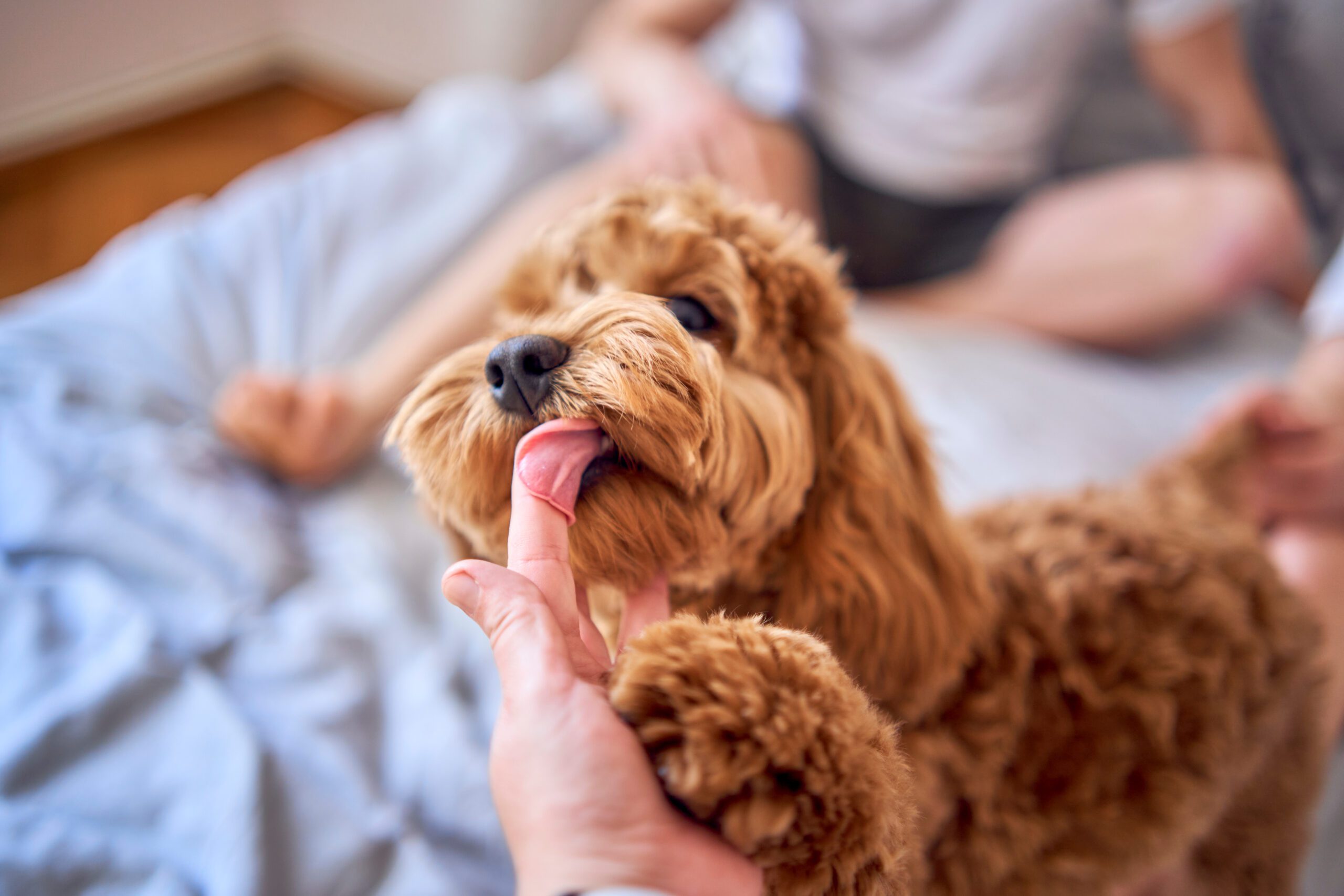
Cockapoo puppies are famous for being affectionate, clever, and full of bounce. They’re also very mouthy. If your Cockapoo pup is biting during play, you’re not alone — and it doesn’t mean you’ve got an “aggressive” puppy.
In most cases, play biting is normal puppy development: they explore the world with their mouths, they’re learning bite inhibition, and they’re experimenting with what makes you (or other dogs) react.
This guide explains why Cockapoo puppies bite during play, what’s normal (including growling), and the most effective, kind ways to stop the biting without turning playtime into a battle.
If you would like more detailed information on all things puppy biting, watch the Puppy Biting Masterclass here
Why do Cockapoo puppies bite during play?
1. Puppies grab with their mouths
Puppies don’t have hands. When they want to interact, they grab with their mouths. That includes:
- Tugging sleeves
- Nipping ankles
- Grabbing fingers
- Biting at clothing during excitement
For many Cockapoos, this is extra common because they’re often highly social, quick to get excited, and love interactive games.
2. Teething and discomfort
Between roughly 3–6 months, puppies go through teething. Sore gums can make them seek pressure and chewing. Play biting can increase during this stage, especially when they’re tired or overstimulated.
3. Over-arousal (too excited to think)
When play gets fast and squeaky, your puppy’s brain can switch into “GO GO GO” mode. In that state, they’re more likely to bite because:
- they’re struggling to regulate their excitement
- they’re rehearsing a habit that gets a reaction
- they’re not pausing to choose a calmer behaviour
This can be particularly difficult during the zoomies
4. They’re learning what works
If biting makes you squeal, wave your arms, chase them, or keep the game going, your puppy may learn that biting is a brilliant way to keep play exciting.
5. They may bite other dogs to get them to play
This one surprises owners: some puppies will nip or bite other dogs (ears, neck, legs) to trigger a chase or wrestling session. It’s usually an immature social strategy, not “dominance”. Your puppy is learning dog-to-dog manners and needs guidance and appropriate play partners.
Is growling during play normal?
Yes — growling is normal in play for many puppies and dogs.
Play growls often sound dramatic, but the rest of the body language looks loose and bouncy. Signs it’s playful include:
- wiggly body, curved movements
- play bows
- taking turns chasing/wrestling
- frequent pauses and re-engagement
If you’re seeing stiffness, hard staring, freezing, or one dog repeatedly trying to escape, that’s different — and you should step in and slow things down.
Prevention: set your Cockapoo up to succeed
The fastest way to reduce biting is to prevent your puppy from rehearsing it.
Use a long toy (distance is your friend)
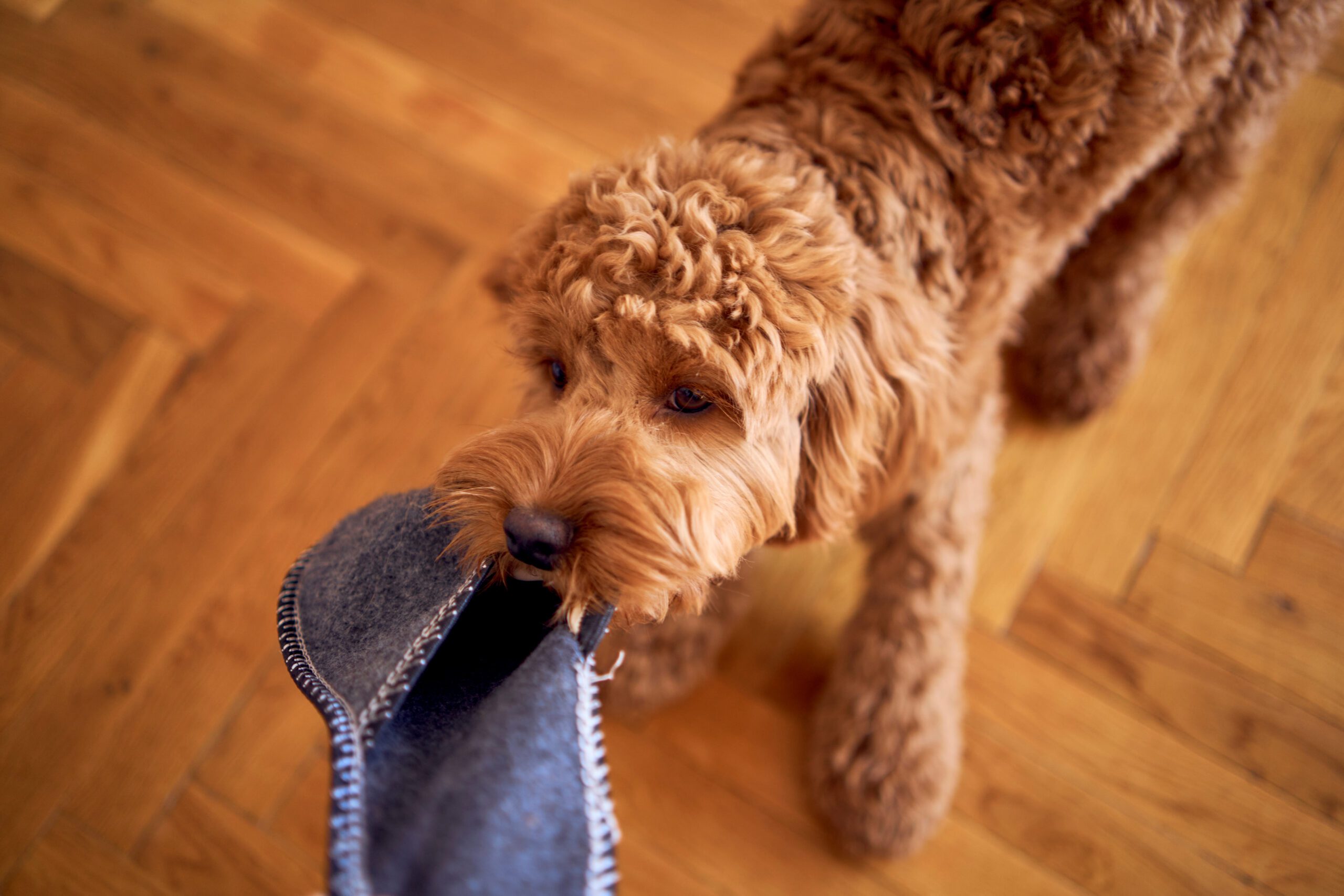
A long toy (like a fleece tug, long rope toy, or a toy on a line) helps you play while keeping your hands and sleeves out of reach.
- Keep the toy moving low and away from your body
- Reward bites on the toy by continuing the game
- If teeth touch skin or clothing, the game pauses (more on that below)
Don’t ever use your hands as toys
This is a big one: don’t ever use your hands to wrestle, tickle, or “rough play” with a puppy. It teaches them that human skin is part of the game.
If your puppy is already used to hand play, don’t panic — you can retrain it by switching to toys and being consistent.
Throw the toy away (redirect the chase)
If your Cockapoo gets mouthy when excited, use a simple pattern:
- Present a toy
- Throw the toy away from your body
- Let your puppy chase it
This channels excitement into running and grabbing the toy, rather than grabbing you.
What to do in the moment: how to stop play biting
Pause, wait for a sit
When teeth touch skin or clothing, pause. Freeze your body and go quiet.
Then wait for a sit (or another calm behaviour like standing still with four paws on the floor). The moment your puppy offers it, reward by restarting play with the toy.
This teaches:
- biting makes the fun stop
- calm behaviour makes the fun start
Tip: keep your criteria realistic. In the early days, you may reward any moment of stillness, then build up to a sit.
Use a “get it” cue
A “get it” cue is a simple way to tell your puppy what to bite.
How to teach it:
- Hold a toy still
- Say “get it”
- When your puppy grabs the toy, praise and play
Over time, “get it” becomes a clear instruction: mouth goes on the toy, not on me.
Remove yourself (short, calm time-outs)
If your puppy is repeatedly biting, the most effective consequence is often: remove yourself.
- Step behind a baby gate
- Leave the room for 10–20 seconds
- Return calmly and offer a toy
This is not punishment — it’s information. Your puppy learns that biting ends access to you.
Important: avoid pushing your puppy away with your hands (that can feel like play and can increase biting).
Common mistakes that keep the biting going
- Waving hands around or trying to “block” with your arms (it becomes a game)
- High-pitched squealing if it revs your puppy up
- Letting them bite sometimes (inconsistency makes the habit stronger)
- Continuing play when they’re overtired (biting often spikes when they need sleep)
If you are finding your puppy is unable to settle or everyday feels chaotic and you don't know where to start, check out my Calm Puppy Reset
How long does it take to stop a Cockapoo puppy biting?
Most puppies improve significantly with consistent training, better prevention, and calmer play routines. Expect progress in weeks, not minutes.
If biting is intense, your puppy can’t settle, or you’re worried about behaviour around other dogs, it’s worth getting tailored support so you can build a plan around your puppy’s arousal levels, routine, and play style.
Quick checklist: your play-biting plan
- Use a long toy to keep distance
- Teach “get it” so your puppy knows what to bite
- If teeth touch skin: pause, wait for a sit
- If biting continues: remove yourself briefly
- Accept that growling is normal in play when body language is loose
- Don’t ever use your hands as toys
- Throw the toy away to redirect excitement
- Watch dog play: puppies may bite other dogs to get them to play — step in and guide breaks
FAQ: Cockapoo puppy play biting
Is it normal for my Cockapoo puppy to bite when playing?
Yes. Most Cockapoo puppies mouth and bite during play because they’re learning how to interact, they get over-excited, and they naturally grab with their mouths.
Should I stop play growling?
Not automatically. Growling is normal in many play sessions. Look at the whole picture: loose bodies, bouncy movement, and pauses usually mean it’s playful. Step in if you see stiffness, freezing, or one dog trying to escape.
What should I do the moment my puppy bites me?
Freeze and pause the game. Go quiet, then wait for a sit (or even a moment of stillness at first). Restart play with a toy as soon as your puppy offers calm behaviour.
Does saying “ouch!” help?
Sometimes it can, but for many Cockapoos it makes the game more exciting. If “ouch” ramps your puppy up, skip it and use the pause + calm reset instead.
What’s the best toy to reduce biting?
A long toy (fleece tug, rope toy, longer soft tug) works well because it keeps your hands and sleeves away from teeth while still letting you play.
Why does my puppy bite other dogs during play?
Some puppies will nip or bite other dogs to get them to play. It’s usually an immature way of starting interaction. Choose calm playmates, interrupt if your puppy is pestering, and add breaks so they learn better manners.
Should I ever play with my hands?
No — don’t ever use your hands as toys. It teaches your puppy that human skin is part of the game and makes biting harder to fix.
How do I teach my puppy to bite the toy instead of me?
Use a clear “get it” cue. Say “get it” as you present the toy, then reward your puppy for grabbing the toy by continuing the game. If teeth touch you, the game pauses.
When should I get professional help?
If biting is intense, you’re getting punctures/bruising, your puppy can’t settle, or play with other dogs looks one-sided or stressful, get tailored support so you can address arousal, routine, and bite inhibition properly.
If you want, tell me your puppy’s age and when the biting is worst (evenings, zoomies, during tug, when guests arrive), and I’ll tailor the prevention and training steps to your exact situation.
Cockapoo puppies are famous for being affectionate, clever, and full of bounce. They’re also very mouthy. If your Cockapoo pup is biting during play, you’re not alone — and it doesn’t mean you’ve got an “aggressive” puppy.
In most cases, play biting is normal puppy development: they explore the world with their mouths, they’re learning bite inhibition, and they’re experimenting with what makes you (or other dogs) react.
This guide explains why Cockapoo puppies bite during play, what’s normal (including growling), and the most effective, kind ways to stop the biting without turning playtime into a battle.
If you would like more detailed information on all things puppy biting, watch the Puppy Biting Masterclass here
Why do Cockapoo puppies bite during play?
1. Puppies grab with their mouths
Puppies don’t have hands. When they want to interact, they grab with their mouths. That includes:
- Tugging sleeves
- Nipping ankles
- Grabbing fingers
- Biting at clothing during excitement
For many Cockapoos, this is extra common because they’re often highly social, quick to get excited, and love interactive games.
2. Teething and discomfort
Between roughly 3–6 months, puppies go through teething. Sore gums can make them seek pressure and chewing. Play biting can increase during this stage, especially when they’re tired or overstimulated.
3. Over-arousal (too excited to think)
When play gets fast and squeaky, your puppy’s brain can switch into “GO GO GO” mode. In that state, they’re more likely to bite because:
- they’re struggling to regulate their excitement
- they’re rehearsing a habit that gets a reaction
- they’re not pausing to choose a calmer behaviour
This can be particularly difficult during the zoomies
4. They’re learning what works
If biting makes you squeal, wave your arms, chase them, or keep the game going, your puppy may learn that biting is a brilliant way to keep play exciting.
5. They may bite other dogs to get them to play
This one surprises owners: some puppies will nip or bite other dogs (ears, neck, legs) to trigger a chase or wrestling session. It’s usually an immature social strategy, not “dominance”. Your puppy is learning dog-to-dog manners and needs guidance and appropriate play partners.
Is growling during play normal?
Yes — growling is normal in play for many puppies and dogs.
Play growls often sound dramatic, but the rest of the body language looks loose and bouncy. Signs it’s playful include:
- wiggly body, curved movements
- play bows
- taking turns chasing/wrestling
- frequent pauses and re-engagement
If you’re seeing stiffness, hard staring, freezing, or one dog repeatedly trying to escape, that’s different — and you should step in and slow things down.
Prevention: set your Cockapoo up to succeed
The fastest way to reduce biting is to prevent your puppy from rehearsing it.
Use a long toy (distance is your friend)
A long toy (like a fleece tug, long rope toy, or a toy on a line) helps you play while keeping your hands and sleeves out of reach.
- Keep the toy moving low and away from your body
- Reward bites on the toy by continuing the game
- If teeth touch skin or clothing, the game pauses (more on that below)
Don’t ever use your hands as toys
This is a big one: don’t ever use your hands to wrestle, tickle, or “rough play” with a puppy. It teaches them that human skin is part of the game.
If your puppy is already used to hand play, don’t panic — you can retrain it by switching to toys and being consistent.
Throw the toy away (redirect the chase)
If your Cockapoo gets mouthy when excited, use a simple pattern:
- Present a toy
- Throw the toy away from your body
- Let your puppy chase it
This channels excitement into running and grabbing the toy, rather than grabbing you.
What to do in the moment: how to stop play biting
Pause, wait for a sit
When teeth touch skin or clothing, pause. Freeze your body and go quiet.
Then wait for a sit (or another calm behaviour like standing still with four paws on the floor). The moment your puppy offers it, reward by restarting play with the toy.
This teaches:
- biting makes the fun stop
- calm behaviour makes the fun start
Tip: keep your criteria realistic. In the early days, you may reward any moment of stillness, then build up to a sit.
Use a “get it” cue
A “get it” cue is a simple way to tell your puppy what to bite.
How to teach it:
- Hold a toy still
- Say “get it”
- When your puppy grabs the toy, praise and play
Over time, “get it” becomes a clear instruction: mouth goes on the toy, not on me.
Remove yourself (short, calm time-outs)
If your puppy is repeatedly biting, the most effective consequence is often: remove yourself.
- Step behind a baby gate
- Leave the room for 10–20 seconds
- Return calmly and offer a toy
This is not punishment — it’s information. Your puppy learns that biting ends access to you.
Important: avoid pushing your puppy away with your hands (that can feel like play and can increase biting).
Common mistakes that keep the biting going
- Waving hands around or trying to “block” with your arms (it becomes a game)
- High-pitched squealing if it revs your puppy up
- Letting them bite sometimes (inconsistency makes the habit stronger)
- Continuing play when they’re overtired (biting often spikes when they need sleep)
If you are finding your puppy is unable to settle or everyday feels chaotic and you don't know where to start, check out my Calm Puppy Reset
How long does it take to stop a Cockapoo puppy biting?
Most puppies improve significantly with consistent training, better prevention, and calmer play routines. Expect progress in weeks, not minutes.
If biting is intense, your puppy can’t settle, or you’re worried about behaviour around other dogs, it’s worth getting tailored support so you can build a plan around your puppy’s arousal levels, routine, and play style.
Quick checklist: your play-biting plan
- Use a long toy to keep distance
- Teach “get it” so your puppy knows what to bite
- If teeth touch skin: pause, wait for a sit
- If biting continues: remove yourself briefly
- Accept that growling is normal in play when body language is loose
- Don’t ever use your hands as toys
- Throw the toy away to redirect excitement
- Watch dog play: puppies may bite other dogs to get them to play — step in and guide breaks
FAQ: Cockapoo puppy play biting
Is it normal for my Cockapoo puppy to bite when playing?
Yes. Most Cockapoo puppies mouth and bite during play because they’re learning how to interact, they get over-excited, and they naturally grab with their mouths.
Should I stop play growling?
Not automatically. Growling is normal in many play sessions. Look at the whole picture: loose bodies, bouncy movement, and pauses usually mean it’s playful. Step in if you see stiffness, freezing, or one dog trying to escape.
What should I do the moment my puppy bites me?
Freeze and pause the game. Go quiet, then wait for a sit (or even a moment of stillness at first). Restart play with a toy as soon as your puppy offers calm behaviour.
Does saying “ouch!” help?
Sometimes it can, but for many Cockapoos it makes the game more exciting. If “ouch” ramps your puppy up, skip it and use the pause + calm reset instead.
What’s the best toy to reduce biting?
A long toy (fleece tug, rope toy, longer soft tug) works well because it keeps your hands and sleeves away from teeth while still letting you play.
Why does my puppy bite other dogs during play?
Some puppies will nip or bite other dogs to get them to play. It’s usually an immature way of starting interaction. Choose calm playmates, interrupt if your puppy is pestering, and add breaks so they learn better manners.
Should I ever play with my hands?
No — don’t ever use your hands as toys. It teaches your puppy that human skin is part of the game and makes biting harder to fix.
How do I teach my puppy to bite the toy instead of me?
Use a clear “get it” cue. Say “get it” as you present the toy, then reward your puppy for grabbing the toy by continuing the game. If teeth touch you, the game pauses.
When should I get professional help?
If biting is intense, you’re getting punctures/bruising, your puppy can’t settle, or play with other dogs looks one-sided or stressful, get tailored support so you can address arousal, routine, and bite inhibition properly.
If you want, tell me your puppy’s age and when the biting is worst (evenings, zoomies, during tug, when guests arrive), and I’ll tailor the prevention and training steps to your exact situation.
Supporting Blogs:
Teaching Your Cockapoo Puppy to Use Toilet Training Bells
Resources:
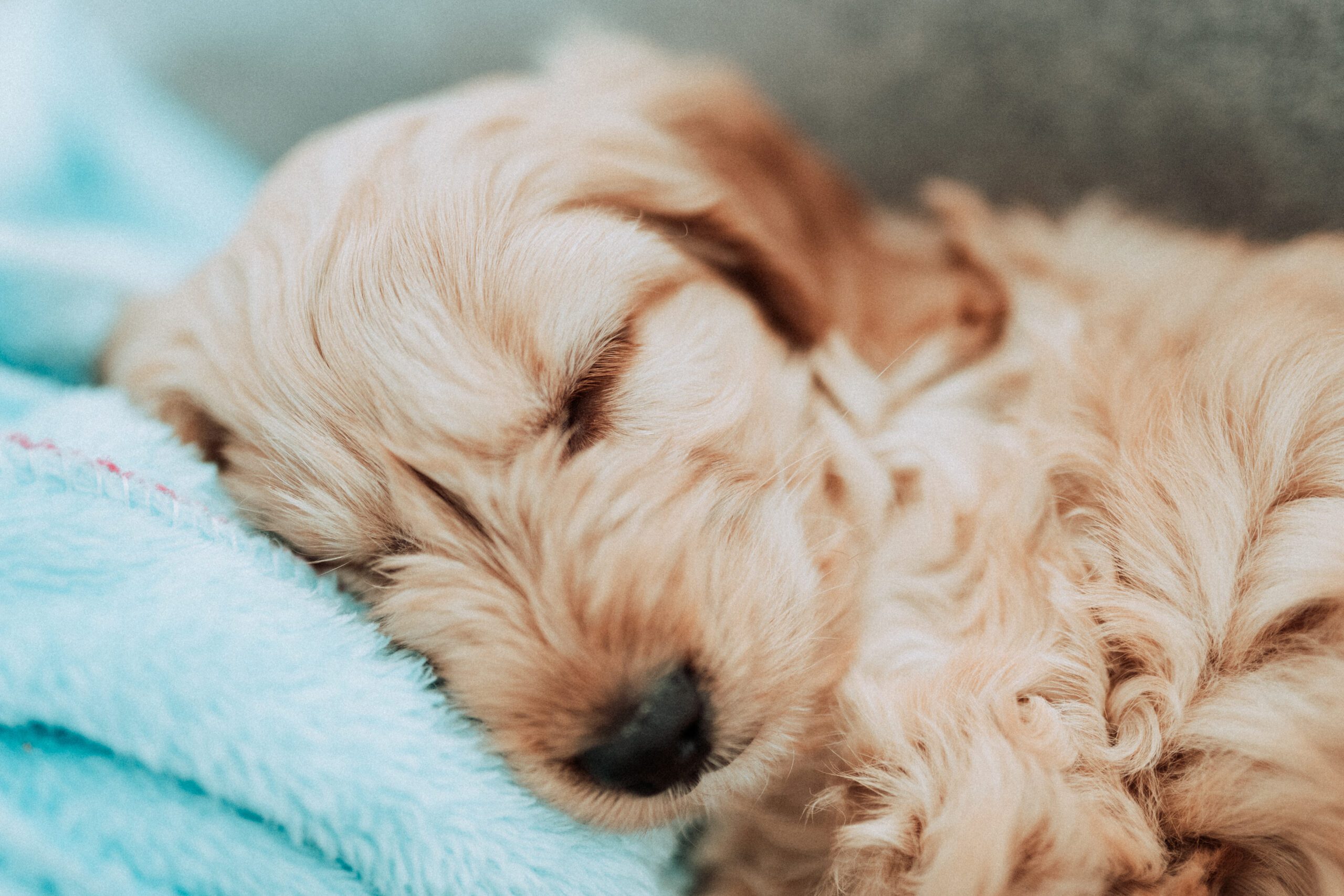
The Calm Puppy Reset: Helping Your Cockapoo Puppy Settle, Focus, and Feel Safe
Help! My Puppy is a Landshark Webinar
Freebies:
The Cockapoo Puppy 7 Day Guide
3 Minute Morning Reset Guide