Why Does My Cockapoo Puppy Bite Harder the Longer We Play?
Posted on 31st July 2026
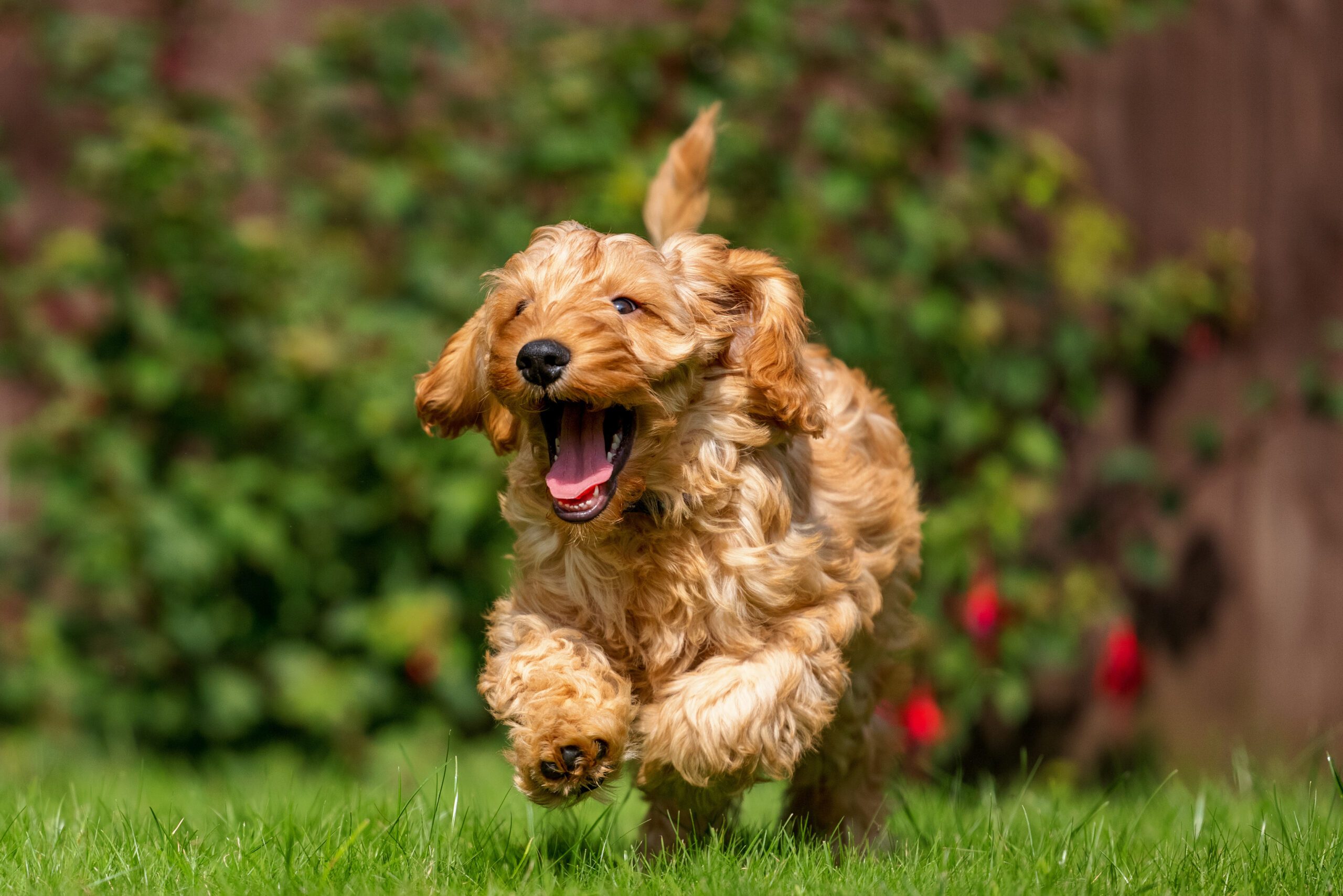
You start a play session gently — a bit of chase, a squeaky toy, maybe a game of tug. Ten minutes in, it's a different puppy. Teeth are everywhere, the tugging is frantic, and what started as fun has turned into you trying to get your hand back.
It's tempting to think your puppy has just “gone too far” or is being difficult on purpose. Neither is true.
What's actually happening is arousal building — your puppy's excitement climbing steadily through the session until it tips past the point where they can think clearly. It's not bad behaviour and it's not a bad puppy. It's a nervous system that hasn't learned where the ceiling is yet.
This post covers why play gets bitier the longer it runs, how to tell which type of biting you're actually looking at, and what to do differently before it tips over next time.
Why Does Play Get More Bitey the Longer It Goes On?
Excitement isn't flat — it climbs. Every chase, every squeak, every grab during a play session adds to the pile. Stimulation stacks, and once it passes a certain point, your puppy loses the ability to make good choices. That's not naughtiness. It's closer to a toddler mid-meltdown — not currently reachable by logic, however calmly you ask.
Most owners keep playing right at the moment they should be pausing, which pushes the arousal higher rather than letting it settle. The signs are there before the biting gets hard — you just have to catch them earlier:
- Movements speed up — more darting, less pausing
- Play noises or growls get higher-pitched
- Grabs get harder, less gentle than a minute ago
- Your puppy stops responding to their name or your voice
- Eyes look wide or glassy rather than soft
Any one of these is your cue to step in — before the peak, not after it.
Is This Overexcited Biting, Overtired Biting, or Attention-Seeking Biting?
“Puppy biting” isn't one problem. It's almost always one of three things — and each needs a different response.
- Overexcited biting
Happens mid-play. Energy climbs through the session and teeth get harder as it goes on. The fix is to freeze and reset before the peak, not to try to correct it once you're already there.
- Overtired biting
Happens regardless of how gently play started, and is usually worse in the evenings or after a big day. It can look identical to overexcitement, but the cause is a puppy who needs sleep, not a firmer boundary. Ending the game and supporting rest works here — a bigger reaction doesn't.
- Attention-seeking biting
Happens when your puppy isn't getting the engagement they want — you're on the phone, mid-conversation, or otherwise switched off. It's a test of what gets a reaction. Proactive engagement before it starts works better than responding once it has.
The behaviour looks the same in the moment — teeth, on you, right now — but the fix genuinely isn't. That's exactly the problem that prompted me to put together a simple decision tool for the moment it's happening, rather than trying to remember three different frameworks mid-play (more on that below).
Still dealing with the biting?
If you're here, chances are it's still happening. Take the free Puppy Biting Quiz to find out exactly where your puppy sits — and what actually helps next.
How Do I Play With My Puppy Without It Tipping Into Biting?
How Do I Play With My Puppy Without It Tipping Into Biting?
Humans tend to play in straight lines — throw, fetch, repeat. Puppies play in bursts: chase, tumble, stop, reset. Copying that stop is the single biggest shift you can make.
- Play. Freeze. Let your puppy settle for a few seconds. Then go again.
- That rhythm teaches control. More energy out on its own doesn't.
- When teeth do land on skin or clothing, pause completely and wait for calm before restarting — not as punishment, just as information.
For the full toy-redirection method and the “get it” cue that teaches your puppy exactly what's allowed to be bitten, my guide on why Cockapoo puppies bite during play walks through it step by step — this post is about catching the wind-up before you get there.
If the wind-up you're describing looks more like frantic, can't-settle energy than playful excitement, it's also worth reading about why does my Cockapoo puppy get the zoomies — the two often travel together.
Why This Matters
More play, more toys, more exercise isn't the fix for biting that escalates. Predictability is. A puppy who knows what's coming next — that the game pauses when teeth land, that stillness gets rewarded, that play always has a rhythm rather than an unpredictable climb — stays calmer for longer, in play and everywhere else. Foundations before tricks isn't just a nice phrase here. It's the actual mechanism.
Supporting Blogs:
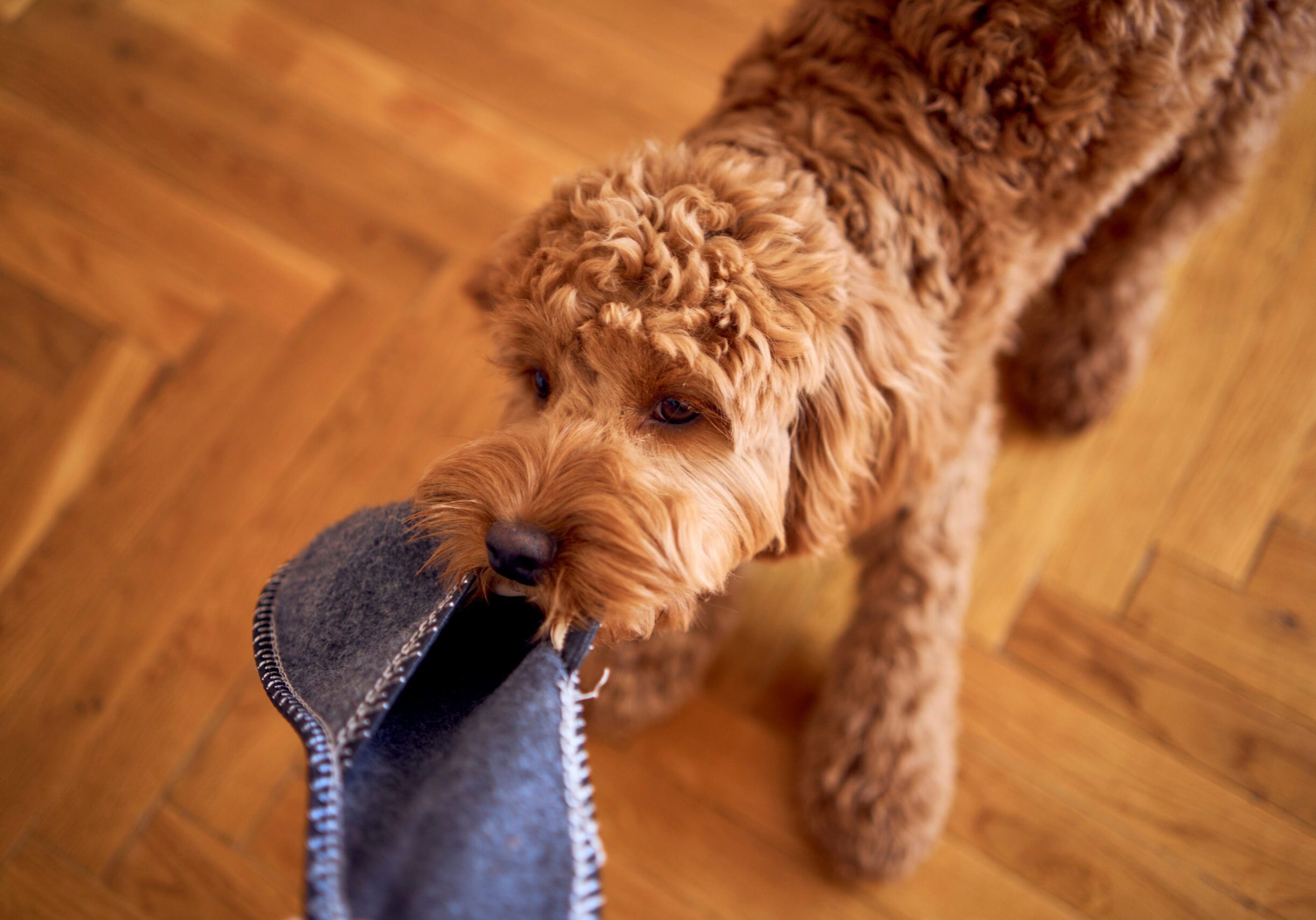
Why Cockapoo Puppies Bite During Play (and How to Stop It)
Resources:
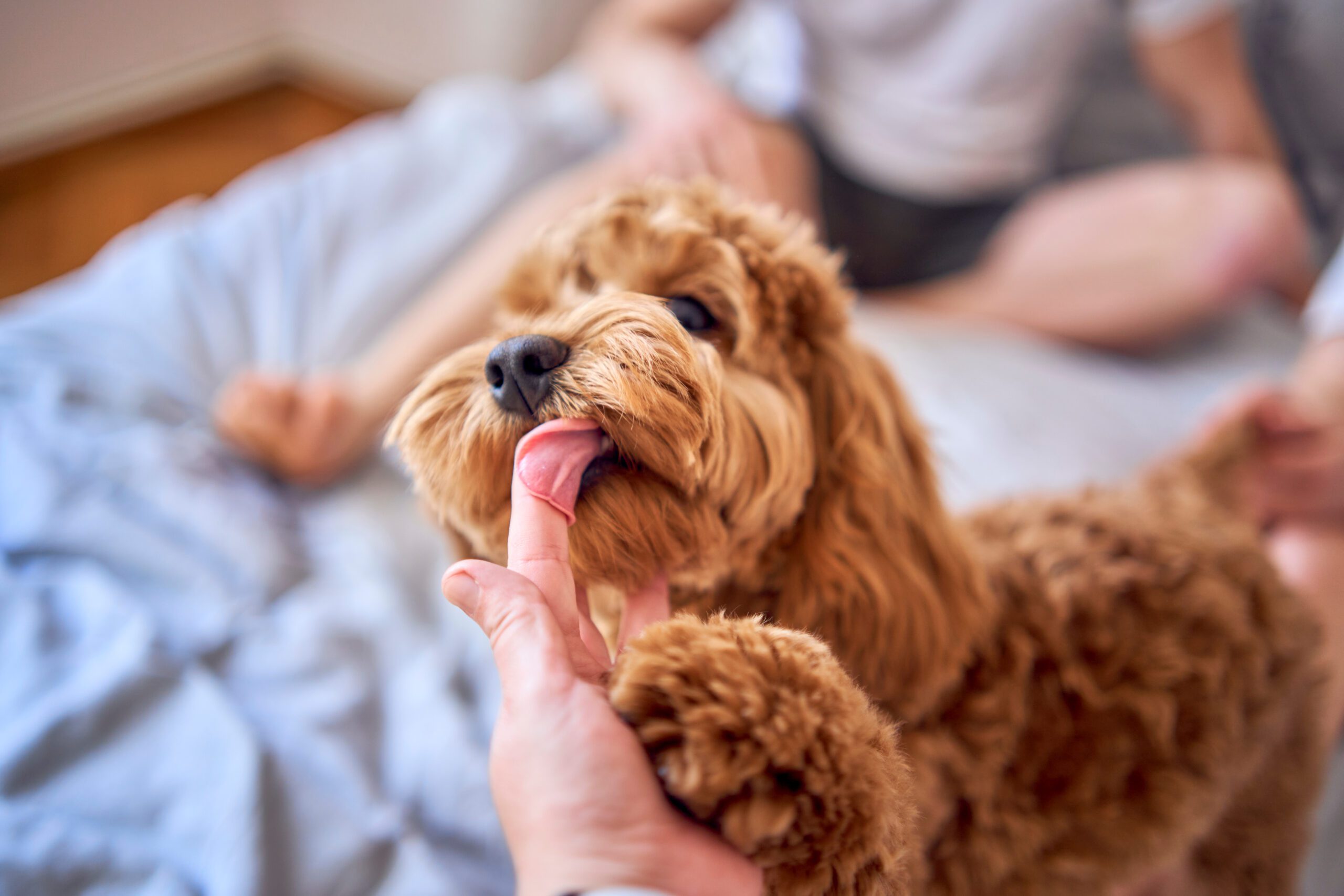
The Cockapoo Puppy Biting Toolkit
Freebies:
The Cockapoo Specific Sleep Training Guide

Watch on YouTube

How to Stop Cockapoo Puppy Biting (Without Making It Worse)
You're Not Doing Something Wrong
Your puppy hasn't “gone bad” halfway through a play session, and there's nothing wrong with how you're training them. This is a nervous system still learning where its own ceiling is.
One small thing to try next time: the moment you notice the early signs — faster movement, harder grabs, that higher pitch — pause it there, rather than playing on and hoping it settles itself.
Knowing why it's happening and knowing which type you're dealing with are two different skills, which is why I put together the Puppy Biting Toolkit — a one-page flowchart to help you tell in the moment whether it's overexcited, overtired, or attention-seeking biting, plus 4 exercises to build a genuinely soft mouth over time. £9.
— Clair, Founder, Cockapoo52