Why Does My Cockapoo Puppy Have Loose Poos?
Posted on 4th January 2024
You've been up half the night Googling it. Your puppy's poo has gone soft, or watery, and every Facebook group has a different answer: switch to grain-free, cut out chicken, try a raw diet. Someone's already told you it's "probably just a food allergy."
Here's the thing — that advice, however well-meant, can actually be dangerous. Puppies lose fluid fast when their gut is upset, and a food allergy simply isn't realistic in the first couple of weeks after leaving the breeder. Swapping foods on a hunch usually makes things worse, not better.
Loose poo is not something to shrug off, and you should always speak to your vet about any change in toileting. But there are five common, everyday causes worth understanding first — because in a lot of cases, the fix isn't a new food at all.
Why Is My Puppy Stressed From Moving Home?
The move from breeder to new home is a big deal for a puppy, no matter how confident they seem. New environment, car journeys, vet visits, constant handling, being left alone for the first time — all of it registers in the gut.
It's the same for us. Stress shows up as loss of appetite, sometimes the opposite, an upset tummy, looser stools. Your puppy's gut is just as sensitive to a stressful week as yours would be.
- Ask your breeder to start probiotics a couple of days before your puppy leaves, and continue them for a few days after you get home.
- Keep the first seven days quiet — minimise visitors.
- Prioritise sleep, toilet training, bonding, and a predictable routine over trips out and excitement.
A calm, low-key first week does more for your puppy's gut than any food change ever will — it's also the foundation covered in Your Cockapoo Puppy's First 7 Days at Home if you want the fuller picture.
Could Food Hygiene Be Causing My Puppy's Loose Poo?
How you're storing and preparing food matters more than most new owners expect. Bugs spread easily through cross-contamination, and food starts to oxidise the moment it's left exposed to the air.
- Wash your hands before and after preparing food.
- Wash bowls, including water bowls, in hot water at least twice a day.
- Don't leave food sitting out.
- Store food in an airtight container.
- Never use food past its recommended time, even if there's some left.
Should I Change My Puppy's Food If They Have Loose Poo?
Your breeder should have sent you home with enough food to last a couple of weeks — and switching food isn't the fix it looks like. A sudden change stresses the gut further and makes loose poo more likely, not less.
If a change is genuinely needed, it should happen gradually over at least seven days, mixing the new food in a little more each day. This is worth reading alongside the complete guide to Cockapoo puppy toilet training if accidents are cropping up at the same time.
Could Water Be Causing My Puppy's Upset Tummy?
Water rarely gets blamed, but it can easily be part of the problem. Supply quality varies a surprising amount between areas, and water left next to food bowls is easily contaminated.
- Wash water bowls in hot water at least twice a day.
- Replace water regularly through the day.
- Always leave fresh water available overnight — never limit water for toilet training.
- Discourage drinking from puddles, rainwater, or other outside sources.
Could My Puppy Have Worms or a Parasite?
All puppies are more vulnerable to bugs and infections during the stress of moving home, and Cockapoos can be a little more sensitive to this than some breeds.
Worms are one of the most common causes of loose poo — look closely and you may see small white flecks in the stool. Make sure your puppy was wormed before leaving the breeder, and that you know the schedule for follow-up treatment. If your puppy also seems to have gone off their food alongside loose poo, it's worth mentioning both to your vet together.
Infections such as parvovirus and leptospirosis can be fatal, which is exactly why young puppies are vaccinated. Know the vaccination schedule before you collect your puppy from the breeder.
Giardia is becoming more common in young puppies. It's a parasite that lives in the gut and damages the gut lining, causing watery, foul-smelling diarrhoea. It can lie dormant, often needs more than one course of treatment, and can be passed on to people too.
- Hungry, but reluctant to eat
- Difficult to settle
- Unusually bitey
- Scavenging for food
These are the signs to watch for alongside loose poo — and giardia symptoms are often made worse by stress, which is another reason a calm first week matters so much.
Why This Matters
Diarrhoea — loose, watery poo — is never just "normal puppy stuff." Please see your vet for any change in toileting, and don't change food or eliminate ingredients until you've had expert advice. Generic advice from a Facebook group can't account for what's actually going on with your puppy.
What protects your puppy's gut long-term isn't chasing the latest food trend — it's the same calm, low-stimulation foundations that protect their behaviour and confidence too: predictable routine, good hygiene, and treating their first couple of weeks as a settling-in period, not business as usual.
Don't worry, but do see your vet early
A wobbly tummy in the first weeks home doesn't mean you've done anything wrong, and it doesn't mean your puppy has a food allergy. Most of the time, it's stress, hygiene, or timing — all things you can steady without a single food change.
Start today: check your food prep and water bowl hygiene, keep this week low-key, and call your vet if the loose poo continues past a day or two. If you want a simple, structured way to get the first week right from the start, the Cockapoo Puppy 7 Day Guide is free and covers exactly this.
Let's keep your puppies healthy and fit.
— Clair
Founder, Cockapoo52
Supporting Blogs:
Teaching Your Cockapoo Puppy to Use Toilet Training Bells

What Should I Feed My 8-Week-Old Cockapoo Puppy?
Resources:

The Calm Puppy Reset: Helping Your Cockapoo Puppy Settle, Focus, and Feel Safe
Freebies:
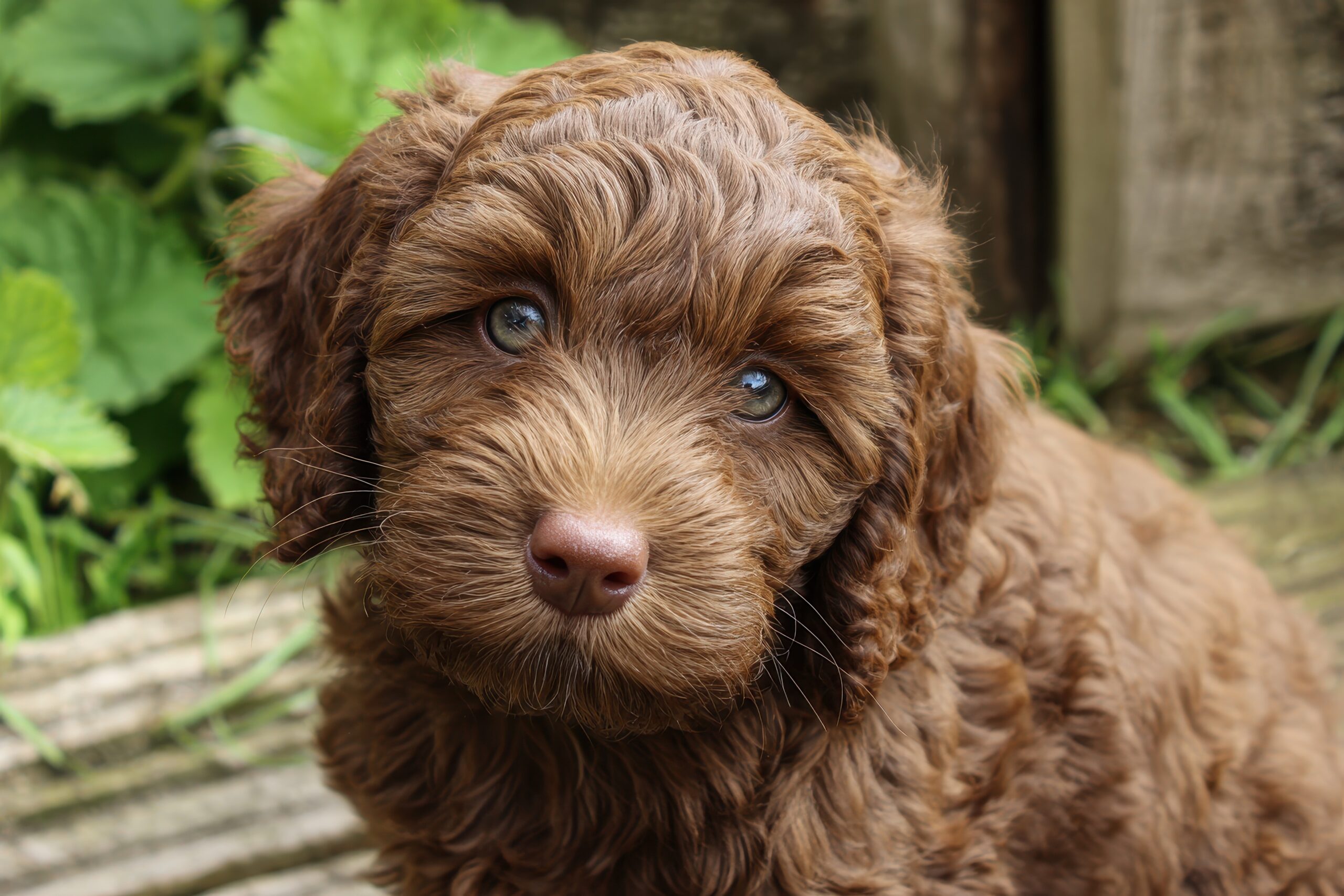
The Cockapoo Puppy 7 Day Guide
Watch on YouTube