What Should a Puppy's Safe Space Actually Look Like? (And How to Set One Up)
Posted on 18th Sept 2026

You did the research, bought the crate and the bed that matched, and set it up in exactly the corner the guides recommended. Then your puppy ignored all of it and fell asleep behind the sofa instead.
It's tempting to think you got the product wrong — wrong crate, wrong bed, wrong spot. Usually, you didn't. A safe space isn't really a piece of furniture. It's a feeling your puppy has to learn is available in a specific place, and the furniture is only ever the setting it happens in.
This post covers what actually needs to be true about a puppy's safe space — physically and emotionally — and how to set one up your puppy chooses, rather than one they merely tolerate.
Does a Puppy's Safe Space Have to Be a Crate?
No. A crate is one shape a safe space can take, not the only one. A pen, an open bed in a quiet corner, or a mat works just as well for plenty of calm, settled Cockapoos.
What matters is the function, not the object: somewhere your puppy can opt out of everything going on and genuinely settle. If crate training has felt like a battle, my guide to introducing a crate is worth reading — but don't feel obligated to use one if it's clearly not the right fit for your dog.
Where Should I Put My Puppy's Safe Space?
Location matters more than most owners expect. A calm corner of a room you actually use — not a hallway, not a utility room shut away from everyone — so your puppy is settling near the household, not being exiled from it.
- Away from direct sun, drafts, and radiators.
- Somewhere they can still see or hear you from, especially early on.
- Consistent — moving it around regularly undoes the “this spot means calm” association you're trying to build.
Dealing with puppy biting?
If you're here, chances are it's happening. Take the free Puppy Biting Quiz to find out exactly where your puppy sits — and what actually helps next.
What Should Actually Go Inside a Puppy's Safe Space?
Less than you'd think. Over-filling it can compete with the calm you're trying to create rather than support it.
- Bedding that smells like you, not fresh out of the packet.
- One chew or lick mat that only ever appears in this spot — never anywhere else.
- Low light and, if your home is busy or noisy, white noise or a low radio.
This is the same logic behind the wind-down stage of my Evening routine guide — licking and chewing genuinely help a puppy's nervous system come down, wherever it happens.
How Do I Get My Puppy to Actually Use Their Safe Space?
A puppy has to learn a safe space is good before they'll choose it over the sofa, the hallway, or your feet. That's built, not assumed.
- Feed meals there, at least for the first few weeks.
- Scatter small finds through the day, unrelated to being shut in.
- Leave the door open outside of practice sessions — a den they wander into, not a lock-up that only opens for bad news.
- Never use it as punishment. One bad association undoes weeks of good ones.
Does My Puppy Need More Than One Safe Space?
Often, yes — if your home has more than one level or room your puppy genuinely spends time in, and almost always if you travel. The same principles apply at a friend's house, in the car, or on holiday: a familiar-smelling blanket and the same calm cues travel with you even when the crate itself doesn't.
This is really the whole point. A puppy who can only settle in one specific box hasn't learned to be calm — they've learned to tolerate a container. The crate is the address. The calm feeling is the home, and a home has to be able to travel.
Supporting Blogs:
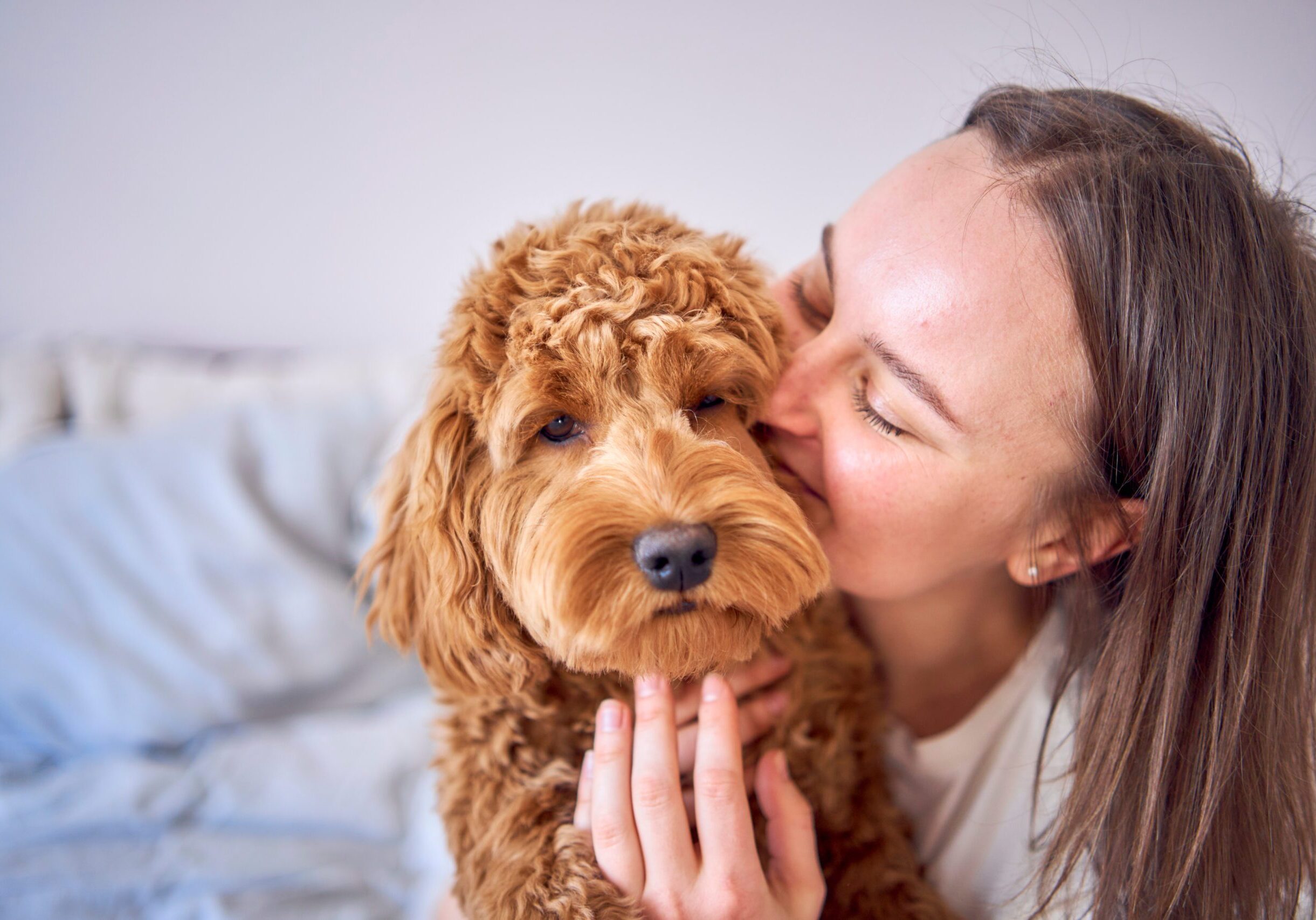
The Calm Cockapoo Evening Routine: A Step-by-Step Guide for Settled Nights

Resources:

Stop the Evening Chaos: Helping Your Cockapoo Puppy Settle, Focus, and Feel Safe
Freebies:
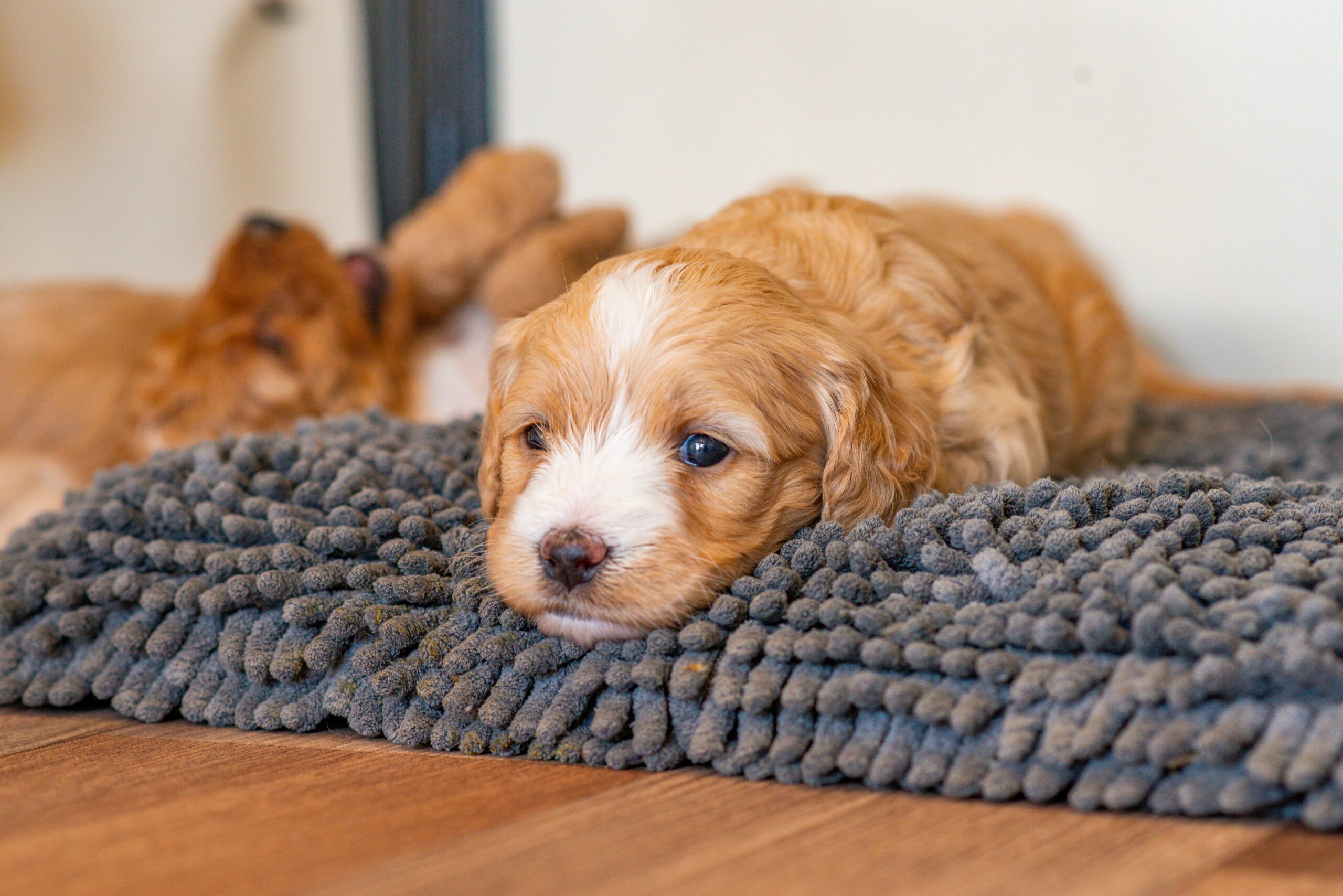
The Cockapoo Puppy Home Alone Guide
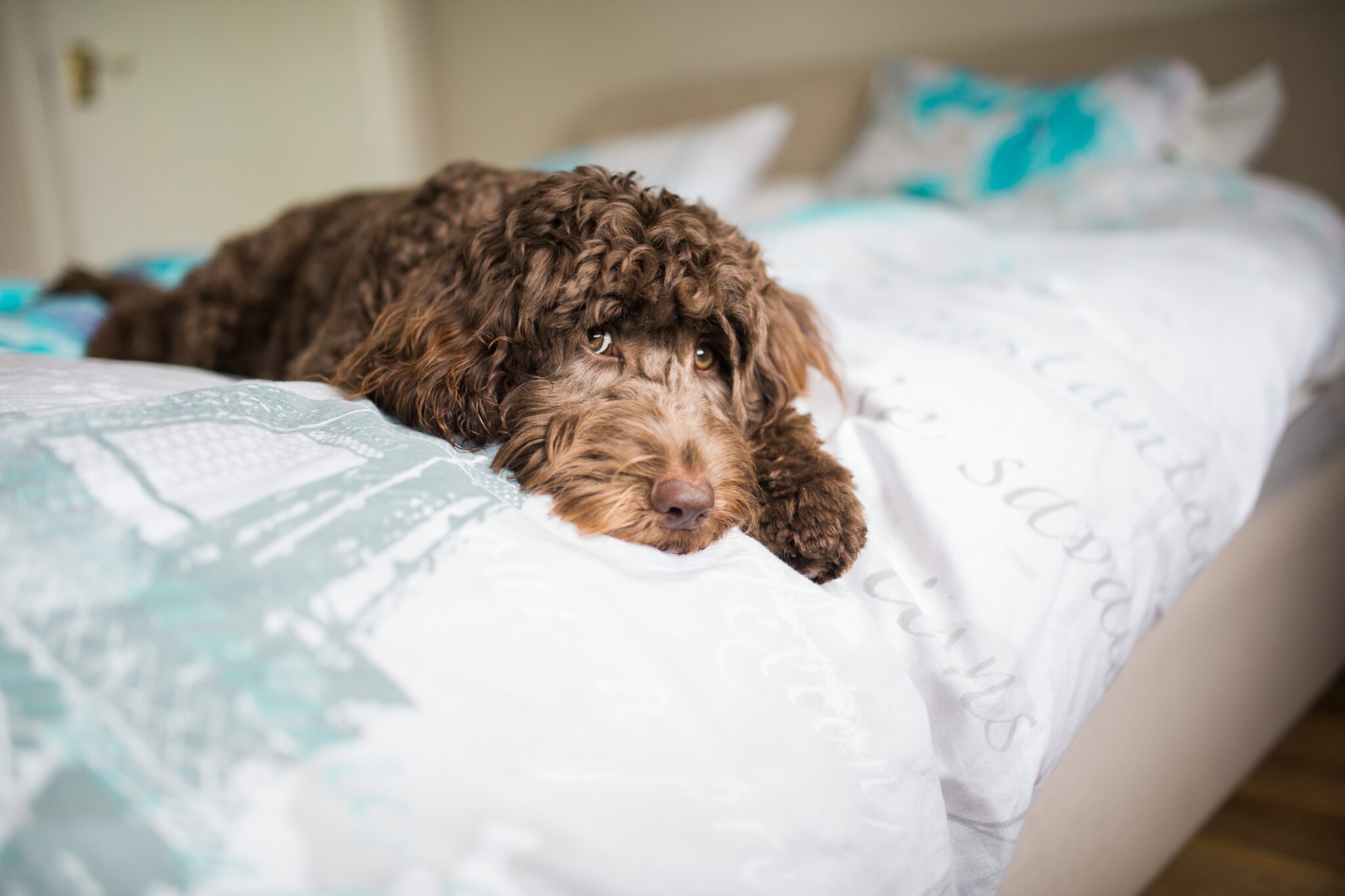
The Cockapoo Puppy Sleep Guide

Watch on YouTube

What a Puppy Safe Space Should Look Like (and how to set one up)
Why This Matters More Than Decor
None of this is really about how the corner looks. It's teaching your puppy that calm is something they can find in more than one place, on more than one day, regardless of what's happening around them — the same foundation that makes coping alone, settling at bedtime, and handling new environments all noticeably easier later on. If sleep is where things are still falling apart despite a solid safe space, my free Cockapoo Sleep Guide goes deeper on the rest of the picture.
Your Puppy's Safe Space Doesn't Have to Be Pinterest-Perfect
If yours currently looks more “utility corner” than show-home, that's genuinely fine — your puppy has no opinion on the aesthetic. What they're reading is whether it's calm, consistent, and never used against them.
Start with one thing today: if the bedding hasn't been slept on by you yet, go fix that first. Everything else in this post builds from a puppy who already feels safe there.
— Clair